

Map-based alerting changes how cities share updates with residents, targeting messages to specific neighborhoods. You can cut down on calls and confusion by sending precise city alerts through SMS, email, or voice. This blog shows how Civify’s map lasso selection, multi-language alerts, and audit trails help public works and utility teams communicate clearly and quickly. Ready to see it in action? Keep reading to learn how to streamline your resident notifications.
Importance of Map-Based Alerting
Cities today need efficient ways to communicate with residents. Map-based alerting offers a powerful solution by enabling focused messaging that minimizes confusion. Let’s explore how this can enhance neighborhood notifications, reduce call volumes, and improve city alerts.
Enhancing Neighborhood Notifications
With map-based alerting, you can target specific neighborhoods with relevant information. Instead of sending citywide alerts, you reach only those affected. For example, if road work is happening in a neighborhood, only residents nearby receive updates. This ensures that the right people get notified, reducing the “noise” for others. By focusing on who truly needs the information, you enhance the effectiveness of your communication.
Reducing Call Volume with Precise Notices
Precise notices lead to fewer calls from confused residents. When people get messages that matter to them, they’re less likely to call for clarification. Imagine a utility outage notice sent only to impacted homes. Residents won’t need to call to find out if their area is affected. By reducing unnecessary inquiries, municipal staff can focus on other important tasks. This efficiency helps maintain smooth operations.
Improving Timely City Alerts
City alerts work best when they are timely and relevant. Map-based alerting ensures that messages go out at the right time to the right audience. Consider sending a weather alert to a flood-prone area as soon as a warning is issued. This kind of timely notification can be crucial for safety and preparedness. By delivering immediate alerts, cities keep their residents informed and ready to act.
Civify’s Key Features
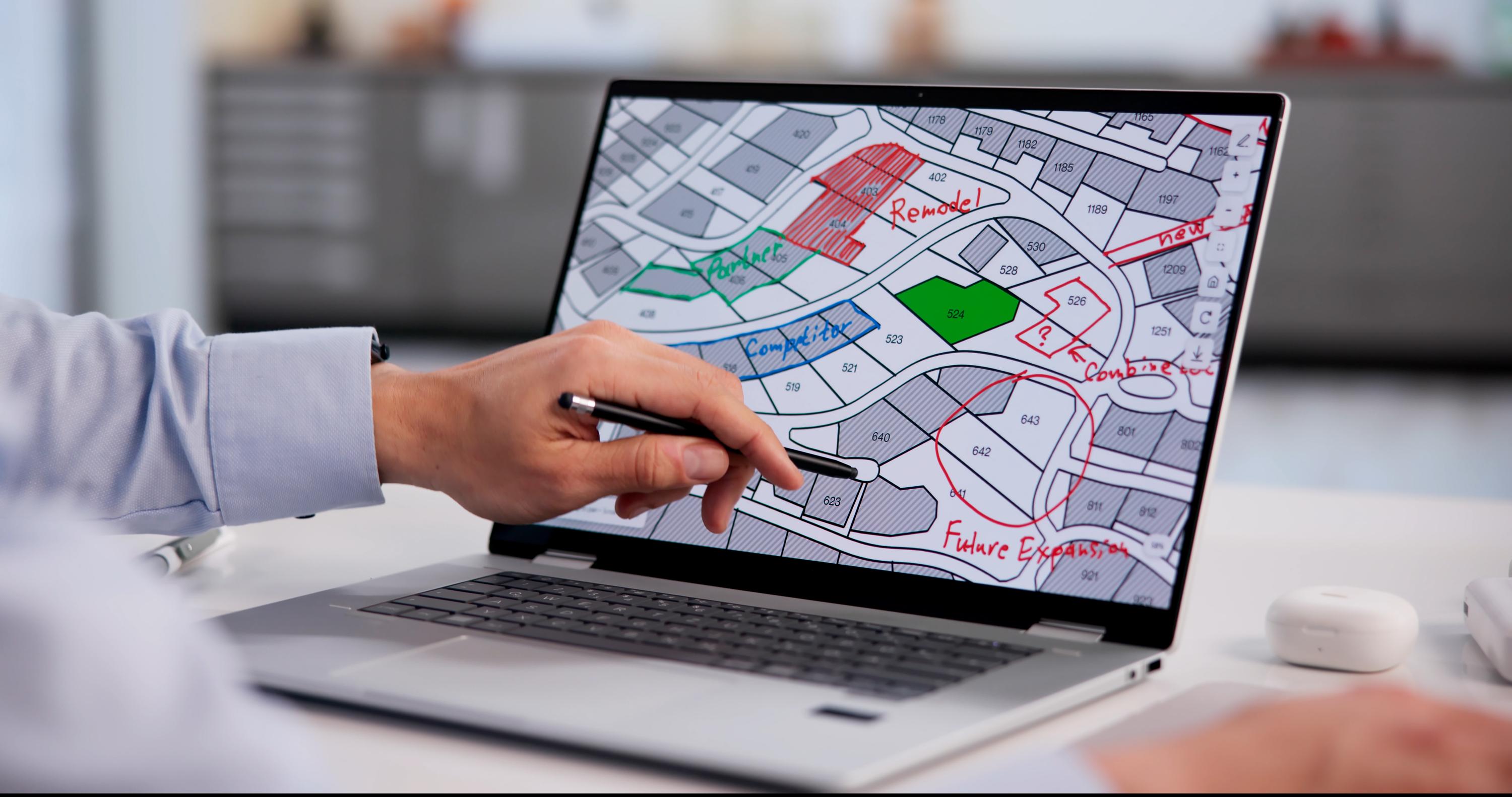
Civify enhances city communication with unique features that support precise targeting and broad accessibility. These tools make it easier for city teams to manage and send alerts effectively.
Map Lasso Selection for Targeting
Civify’s map lasso tool allows city officials to select specific areas on a map and target alerts to those residents. This feature is perfect for delivering precise notifications. For instance, if a construction project affects only a few blocks, you can draw a lasso around that area and send alerts directly. This targeted approach ensures that residents receive relevant information without overwhelming others.
Multi-Channel Delivery Options
Reaching residents through various channels is crucial for effective communication. Civify offers multi-channel delivery, including SMS, email, and voice calls. This flexibility means you can choose the best method for each alert, increasing the likelihood that residents will see the message. Whether it’s an urgent alert via text or a detailed update through email, Civify ensures your messages reach the intended audience.
Translation and Multi-Language Alerts
Language should never be a barrier to receiving important information. Civify supports translation and multi-language alerts, ensuring all residents can understand the messages they receive. Whether a resident prefers English, Spanish, or another language, messages are automatically translated. This inclusivity fosters better community relations and ensures everyone stays informed.
Benefits for Municipal Teams

Civify is not just about sending messages; it’s about empowering municipal teams to communicate more effectively. Here are key benefits that enhance city operations.
Streamlining Public Works Communication
Public works projects often need clear and timely communication. Civify streamlines this process by offering tools that make it easy to update residents. Whether it’s a road closure or a new park opening, you can manage all notifications from one platform. This centralization helps reduce errors and ensures consistent messaging across projects.
Efficient Utility Outage Notices
Utility outages can cause significant disruption. With Civify, you can quickly notify affected residents and provide updates as the situation evolves. This real-time communication reduces frustration and helps residents plan accordingly. By improving how you communicate outages, you enhance trust and satisfaction within the community.
Detailed Construction Updates and Proof of Contact
Construction projects often generate questions and concerns. Civify provides detailed updates and a proof of contact feature, showing exactly when and to whom notifications were sent. This transparency helps build trust with residents, as they can see how and when they were informed. Clear communication leads to fewer misunderstandings and smoother project execution.
Frequently Asked Questions
What is map-based alerting?
Map-based alerting is a communication method that targets notifications to specific geographic areas, ensuring that only relevant residents receive the updates. This method reduces unnecessary notifications and enhances communication efficiency.
How does Civify’s map lasso tool work?
The map lasso tool allows users to draw a boundary around a specific area on a digital map and send alerts only to residents within that boundary. This targeted approach ensures that messages are only sent to those directly affected.
Can Civify handle multi-language notifications?
Yes, Civify supports multi-language notifications. Messages are automatically translated into the resident’s preferred language, ensuring clear communication across diverse communities.
How do multi-channel notifications benefit cities?
Multi-channel notifications increase the likelihood that residents will receive and respond to messages. By using SMS, email, and voice calls, cities can choose the best method for each situation, improving overall communication effectiveness.
Why is proof of contact important?
Proof of contact provides a record of when and to whom notifications were sent, which helps build transparency and trust. This feature is essential for resolving any disputes or misunderstandings about whether residents were informed.


